Dil
Dil 
Bir teli doğru şekilde bükmek için yöntemi malzeme ve çapla eşleştirin. 1,5 mm'nin altındaki yumuşak tel için, bükülme noktasına yakın tutun, bir mandrel etrafında şekillendirin ve malzemenin geri esneme açısına göre aşırı bükün. 2 mm'nin üzerindeki daha sert teller için veya aynı parçaların kullanıldığı herhangi bir üretim çalışması için CNC tel bükme makinesi pratik bir seçimdir. Bu kısa cevap, mücevher tokasından otomotiv yayına kadar her şeyi kapsıyor ve aşağıdaki ayrıntılar bunun nedenini tam olarak açıklıyor.
Tel bükme üç yoldan biriyle başarısız olur: bükme bükülmesi, son açının yanlış olması veya dış yüzeyin çatlaması. Her üçü de aynı temel nedene dayanmaktadır: Kuvvet, telin gerilimi yeniden dağıtabileceğinden daha hızlı uygulanır. Küçük bir atölyede ve büyük bir yay fabrikasında çözüm aynıdır: bükülme noktasını kontrol edin, bükme hızını kontrol edin ve elastik toparlanmayı telafi edin.
Bu kılavuz, önemli bükme mekaniğini, gerçekten işe yarayan manuel teknikleri, gerçek sayılarla geri esneme ve bükme payı hesaplamalarını, yaygın hataları ve bir CNC makinesinin mantıklı bir yatırım haline geldiği üretim eşiğini kapsar.
Bir tel, yalnızca dış liflerindeki bükülme gerilimi malzemenin akma dayanımını aştığında plastik olarak bükülür. Bu eşiğin altında deformasyon elastiktir ve yük kaldırıldığında tamamen düzelir. Bu nedenle tel hiçbir zaman tam olarak ittiğiniz yerde kalmaz: dış yarı esner, iç yarı sıkışır ve aralarındaki nötr eksen adı verilen sınır orijinal uzunluğunu korur.
Bir bükülmeden sonra geri esneme miktarı üç değişken tarafından yönetilir: malzeme öfkesi (daha sert öfkeler daha fazla elastik enerji depolar), tel çapı (daha kalın tel daha fazla kuvvet gerektirir ve daha fazla açısal iyileşme gösterir) ve iç bükülme yarıçapı (daha dar bir yarıçap gerilimi yoğunlaştırır ve elastik kısmı arttırır). Bunları kontrol etmeden her parça farklı bir açıyla çıkıyor.
Aşağıdaki tablo, tel çapının iki katına eşit çapa sahip bir mandrel etrafında oluşturulan 90 derecelik bir büküm için temsili değerleri göstermektedir. Bunlar referans numaralarıdır, garanti değildir: tam geri yaylanma tane yönüne, yüzey durumuna ve takım geometrisine bağlıdır.
| Tel malzemesi | Durum / standart | Verim gücü (MPa) | 90 derecede geri yaylanma |
|---|---|---|---|
| Tavlanmış bakır, oksijensiz | Yumuşak | 50–70 | 1–3 derece |
| Alüminyum 5052 | H32 öfke | 190–220 | 3–6 derece |
| Yarı sert pirinç (70/30) | Kartuş pirinç | 300–450 | 4–7 derece |
| Paslanmaz çelik 304 | Bahar öfkesi | 1.200–1.500 | 8–12 derece |
| Müzik teli | ASTM A228, 0,5–2,0 mm | 1.600–2.400 | 12–18 derece |
Bu rakamlar, yumuşak bir bakır telin neden başparmak basıncıyla mükemmel bir 90 dereceye kadar koaksiyel hale getirilebildiğini açıklarken, 2 mm'lik bir müzik teli hedefin 10 derece ötesine zorlandıktan sonra hala 78 derecede duruyor. Yüksek gerilimli telde depolanan elastik enerji gerçektir ve bununla başa çıkmanın tek güvenilir yolu buna göre planlama yapmaktır.
Tek parçalar, prototipler, onarım çalışmaları ve küçük numuneler için el aletleri herhangi bir makine kurulumundan daha hızlıdır. Amaç güç değil kontroldür: Tel uzunluğu boyunca desteklenerek, pense çenelerine yakın bir yerde yavaşça temiz bir bükme yapılır.
Geri yaylanma bir hata değildir; tahmin edilebilir bir miktardır. Belirli bir malzeme, çap ve işleme için geri esneme açısını öğrendikten sonra, ilk parça yapılmadan önce doğru bükme konumunu hesaplayabilirsiniz.
İlişki basittir: Son açı = Bükülme açısı eksi geri esneme açısı. 90 derecede bitirmek için 90 S dereceye kadar bükmeniz gerekir; burada S, ölçülen geri yaylanmadır. Örneğin, yay temperli 1,5 mm'lik bir paslanmaz çelik 304 tel, 3 mm'lik bir mandrel üzerinde kabaca 10-12 derecelik bir geri esneme gösterir. Bu nedenle el veya makine 100-102 derece bükülecek şekilde ayarlanmalıdır ve tel 90 dereceye yakın bir yere oturacaktır.
Tel için bükülme payı formülü: L = pi x (D k x d) x teta / 360, burada L büküm tarafından tüketilen tel uzunluğu, D bükümün iç çapı, d tel çapı, teta derece cinsinden büküm açısı ve k, büyük yarıçaplar için 0,5'e kadar dar bükümler için 0,33'lük bir nötr eksen faktörüdür.
Çalışılan örnek: 2 mm tel, 10 mm iç çap, 90 derecelik bükülme, k = 0,4. U = 3,14 x (10 0,4 x 2) x 90 / 360 = 3,14 x 10,8 x 0,25 = 8,48 mm. Uygulamada bu bükme yaklaşık 8,5 mm düz tel uzunluğu tüketir. Bu formülün kullanılması, parça uzunluğu hatalarının en yaygın kaynağını tutarlı bir şekilde ortadan kaldırır.
| Tel çapı | Yumuşak copper | Alüminyum 5052-H32 | Yumuşak çelik | Yaylı çelik |
|---|---|---|---|---|
| 0,5 mm | 0,5 mm | 0,8 mm | 1,0 mm | 1,5 mm |
| 1,0 mm | 1,0 mm | 1,5 mm | 2,0 mm | 3,0 mm |
| 2,0 mm | 2,0 mm | 3,0 mm | 4,0 mm | 6,0 mm |
| 4,0 mm | 4,0 mm | 6,0 mm | 8,0 mm | 12mm |
Uygulamanız bu değerlerin altında bir yarıçap gerektiriyorsa, dış fiberler çatlayacak ve parça daha sonra yorulma nedeniyle bozulacaktır. Pratik çözümler, şekillendirmeden önce tavlanmış tele geçmek, daha büyük bir mandrel kullanmak veya üretimde CNC programının bükümü birden fazla artışla dağıtmasına izin vermektir.
Tel bükme sorunlarının çoğu tutarlıdır ve önlenebilir. Aşağıdaki tablo, atölyelerde en sık görülen altı hatayı, her biri için pratik düzeltmelerle birlikte listelemektedir.
| hata | Tipik sonuç | Pratik düzeltme |
|---|---|---|
| Pense uçlarına çok yakın bükülme | Bükülme kökünde bükülme veya çentik | Teli çenelerin daha derinlerine doğru hareket ettirin ve çenenin düz tabanına doğru bükün |
| Ani bir hareketle eğilmek | Gerilmiş dış tarafta çatlaklar | Gücü iki veya üç artışla kademeli olarak uygulayın |
| Geri yaylanmanın göz ardı edilmesi | Son açı her zaman çok geniş | Tablo 1'deki geri yaylanma açısına göre aşırı bükme |
| Yanlış mandrel boyutu | Aşırı büyük veya çökmüş virajlar | Mandrel çapını gerekli iç yarıçapla eşleştirin |
| Aynı noktayı tekrar tekrar bükmek | İş sertleşmesi kırılgan kırılmaya neden olur | Düzeltmeleri en aza indirin veya şekillendirmeden önce tavlayın |
| Yanlış referans noktasından ölçüm | Parçalar bükülme payı nedeniyle kısa veya uzun çıkıyor | Bükümün iç kısmından ölçün ve formülden payı ekleyin |
Manuel bükmenin gizli bir maliyeti vardır: tutarlılık. Deneyimli bir operatör, bir dizi parça üzerinde kabaca artı veya eksi 0,5 mm'lik bir tolerans tutar. Bir CNC tel bükme makinesi, artı veya eksi 0,05 mm'yi tutar; bu da 10 kat daha sıkıdır ve bunu yorgunluk, ruh hali veya dikkat dağılması olmadan yapar. Geçiş kararı beceriyle ilgili değildir; sayılarla ilgilidir.
Uygulamada, 1,5-4 mm aralığındaki tel için geçiş noktası ayda yaklaşık 500 parçaya ulaşmaktadır. Bu hacmin altında makine kurulum süresi karşılığını alamayabilir; bunun üzerinde parça başına maliyet keskin bir şekilde düşer. Parça başına maliyetin, takımların ve bakımın ayrıntılı bir karşılaştırmasını burada bulabilirsiniz. endüstriyel tel bükme makinesi tam satın alma kılavuzu .
Gerçekçi bir örnek: her biri iki adet 90 derecelik ve bir adet 45 derecelik büküm içeren ayda 1.800 adet aynı bükülmüş tel braket üreten bir üretici, tek bir 4 eksenli CNC yaylı tel bükme makinesi ve iki tam zamanlı kol işçisinin yerini alacak. Makine her açıyı artı veya eksi 0,1 mm dahilinde tutar ve geometri kusurlarının yıllık geri çağırma oranı neredeyse sıfıra düşer.
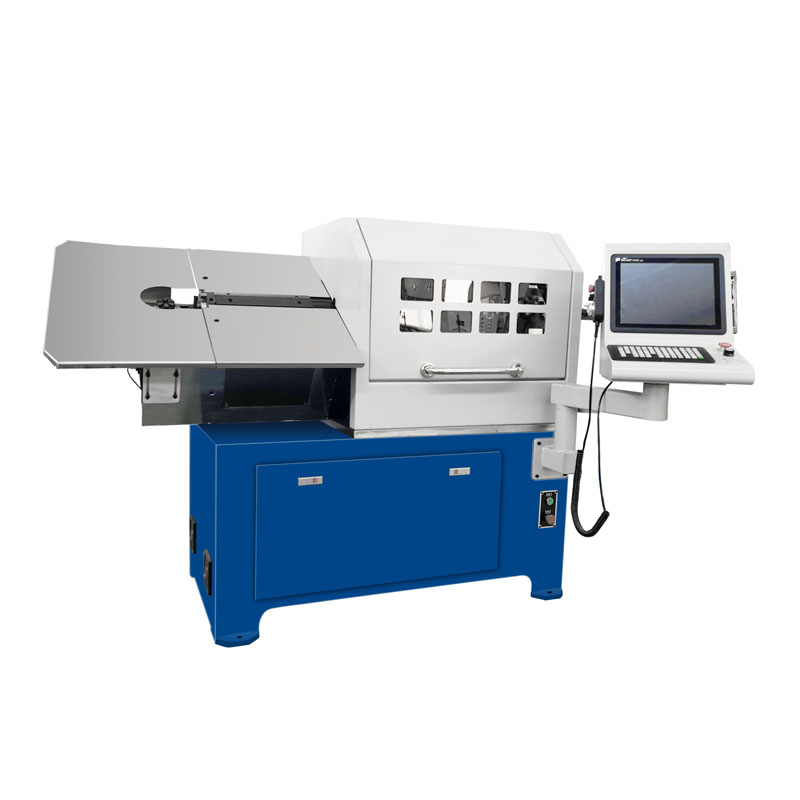 Çin CNC Yay Bükme Makinesi Üreticileri, Tedarikçiler WNJ, Çin Özel yay bükme makinesi üreticileri ve yay bükme makinesi tedarikçileridir, ZW-480 4 EKSENLİ CNC YAYLI TEL BÜKME... Ürünü Görüntüle →
 CNC tel bükme makinesi motorlu bir pense değildir. Teli besleyen, şekillendirme kafasını döndüren ve bükme kolunu koordineli hareketle sallayan, servo kontrollü bir şekillendirme sistemidir. Çıktı, aynı programı çalıştıran herhangi bir makinede tam olarak tekrarlanabilen bir dizi 3 boyutlu koordinattır.
4 eksenli bir makine, tüm alanda kullanılan braketlerin, kancaların ve çerçevelerin çoğunu kapsar otomotiv ve inşaat endüstrileri. Sarılmış bölümlere de ihtiyaç duyan parçalar için, 6 eksenli veya 7 eksenli bir makine aynı döngüde sarma fonksiyonunu ekler. İşte bu yüzden modern CNC tel bükme makineleri tek amaçlı araçlar yerine yapılandırılabilir platformlar olarak inşa edilmiştir.
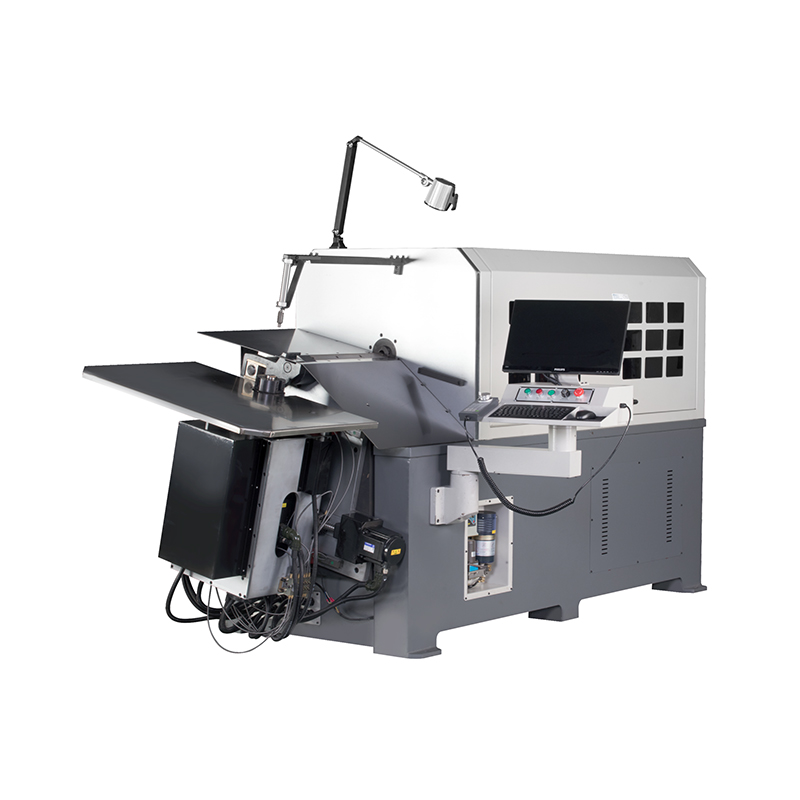 WNJ Makinesi | Toptan CNC Tel Bükme Makinesi Fabrikası,Comapny Omnipotent Spring Machine Co., ltd (WNJ Machine) bir Çin CNC Tel Bükme Makinesi Fabrikası ve Tel Bükme Makinesi Şirketidir, tam kapsamlı teklifler sunar... Ürünü Görüntüle →
 Kontrol sistemi her malzeme ailesi için bir geri yaylanma tablosunu saklar. Operatör 90 derecelik bir hedef açıya girdiğinde makine otomatik olarak S'nin tabladan geldiği 90 S dereceye kadar bükülür. Operatör S'yi yalnızca kablo partisi değiştiğinde ayarlar. Bu, manuel şekillendirmenin en değişken kısmını ortadan kaldırır; bu, ne kadar aşırı büküleceğine dair insanın tahminidir.
Servo tahrikli tel bükme makinesi, küçük braketler için saatte 1.500–3.000 parça çevrim sürelerine ulaşır ve tam vardiya boyunca /−0,05 mm dahilinde konumsal tekrarlanabilirliği koruyabilir. Bir tel bükme makinesinin pratik sınırı hız değil, tel çapı ve takım geometrisidir. 4 mm tel için derecelendirilmiş bir makine, 0,5-4 mm'lik malzemelerin çoğunu bükebilir, ancak her çap aralığı için farklı bir alet setine ihtiyaç duyar.
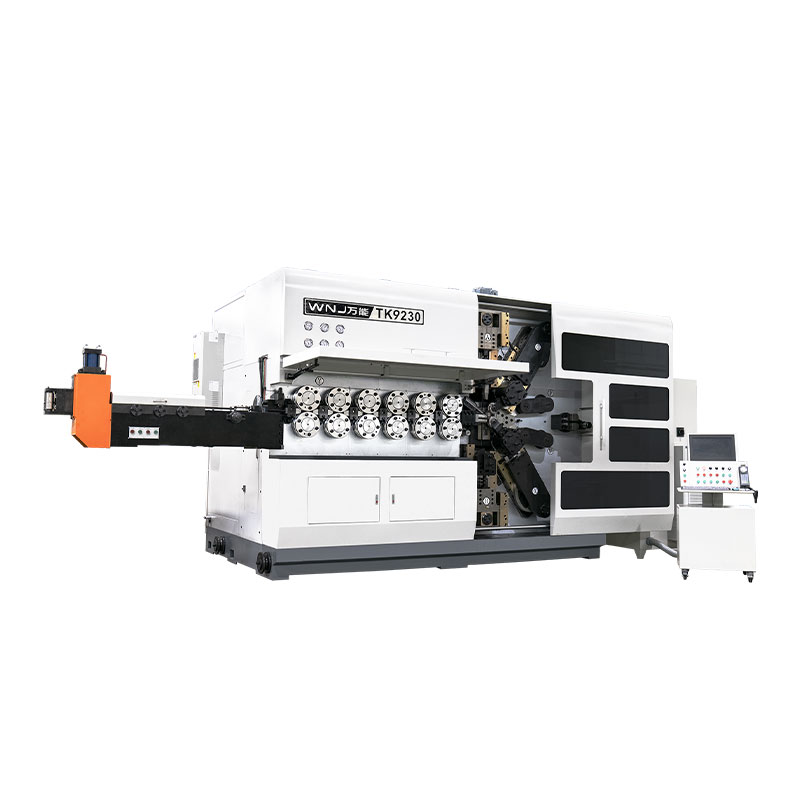
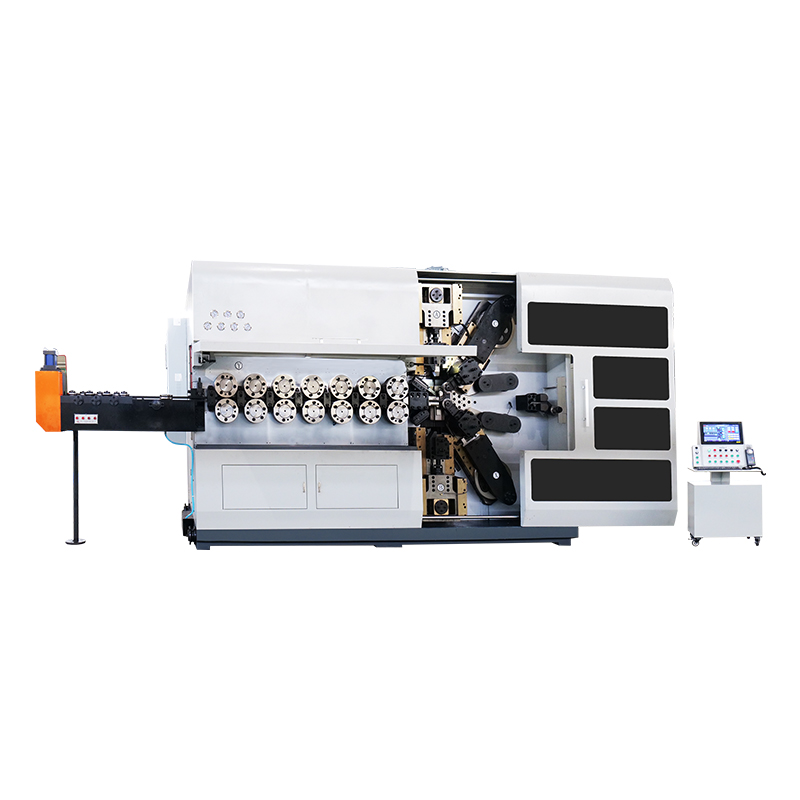
Bükülmüş teller yerine gerçek sarmal yaylar olan bileşenler için özel bir sarıcı daha iyi uyum sağlar. Bu durumda, bir 6/7 eksenli CNC yay sarma makinesi tek geçişte yaklaşık 1,5–8 mm çap aralığında sıkıştırma ve uzatma yayları üretebilmektedir. Tel bükme makinesi ile yay sarıcı arasındaki farkı bilmek, yanlış makineyi satın almanızı engeller.
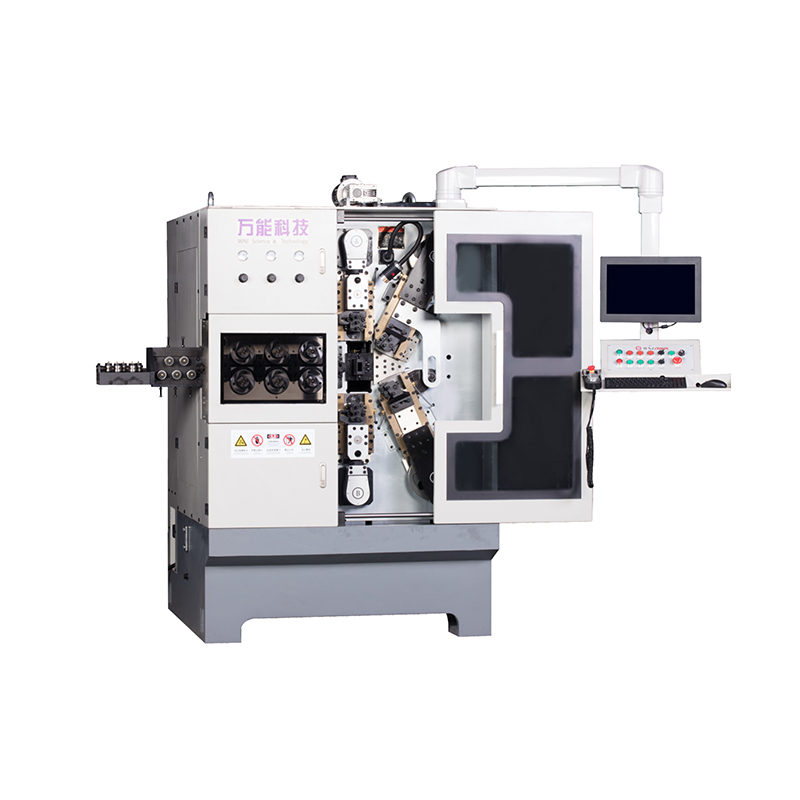 Özel TK-760 6-7AXES CNC YAY SARMA MAKİNASI Fabrika, Comapny - WNJ Machine Zhejiang Omnipotent Spring Machine Co., ltd (WNJ Machine) bir Çin Toptan TK-760 6-7AXES CNC YAY SARMA MAKİNASI fabrikası ve ticari... Ürünü Görüntüle →
 Şekillendirme başlığının, besleme sisteminin ve kontrol döngüsünün arkasındaki mekanik detayları öğrenmek istiyorsanız şu makalemize göz atın: bükme makinesi nasıl çalışır Mekanizmayı adım adım açıklıyor.
Kavisler için yuvarlak uçlu pense, 90 derecelik köşeler için düz uçlu pense ve tutarlı çaplar için mandrel kullanın. Belirli malzemenin geri esneme açısına göre aşırı bükün. Birkaç yüzden fazla aynı parça için CNC tel bükme makinesi tahminleri tamamen ortadan kaldırır.
Tel akma dayanımına kadar elastiktir. Elastik kısım, kuvvet kaldırıldığında hemen eski haline döner. Geri esneme, daha yüksek akma dayanımı ve daha dar bükülme yarıçapı ile artar. Çözüm, daha güçlü bir kuvvetle değil, her zaman ölçülen geri esneme açısıyla aşırı eğilmektir.
Yumuşak çelik için tel çapının en az 1 katı kadar kullanın. Yaylı çelik ve müzik teli için çapın 2-3 katı kullanın. Bu değerlerin altında bükülme dış lifleri çatlatır ve yorulma ömrünü azaltır. Ortak malzemelerin tam listesi yukarıdaki Tablo 2'de gösterilmektedir.
Evet, iki koşulla: yarıçapı çapın 2-3 katının üzerinde tutun ve tek bir darbe yerine kontrollü artışlarla kademeli olarak bükün. CNC tel bükme makinesi daha uygundur çünkü tam hız ve açı uygular; bu nedenle üretimdeki makinelerde neredeyse her zaman yüksek gerilimli tel oluşturulur.
L = pi x (D k x d) x teta / 360 formülünü kullanın. k = 0,4 olan 90 derecelik bir bükülme için L = 0,785 x (D 0,4d). Bu payı virajlar arasındaki her düz parçaya ekleyin.
Tolerans /−0,1 mm'nin altında olduğunda, hacim ayda 500 özdeş parçanın üzerinde olduğunda veya geometri birden fazla düzlemde bükümlerle üç boyutlu olduğunda geçiş yapın. Çıkış üzerindeki hız, doğruluk ve takımlama etkilerinin daha derin bir karşılaştırması için, bkz. bükme makinesi performansı makale.
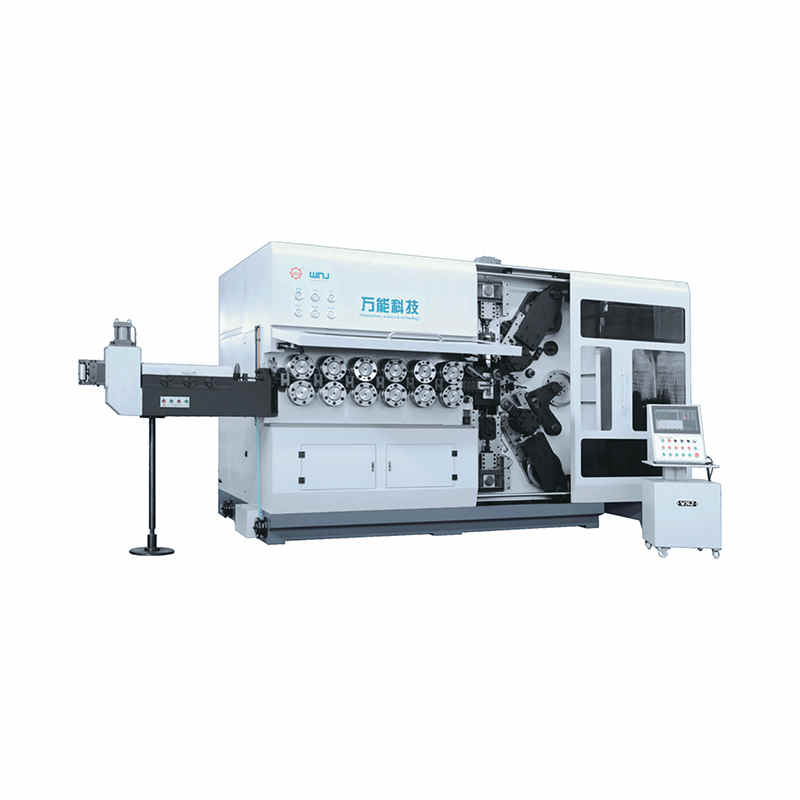
TK-13200, TK-7230 TK-13200、 TK-7230 12EKSEN CNC YAY SARMA MAKİNASI ...
Detayları gör
TK-13200, TK-7230 TK-13200、 TK-7230 12EKSEN CNC YAY SARMA MAKİNASI ...
Detayları gör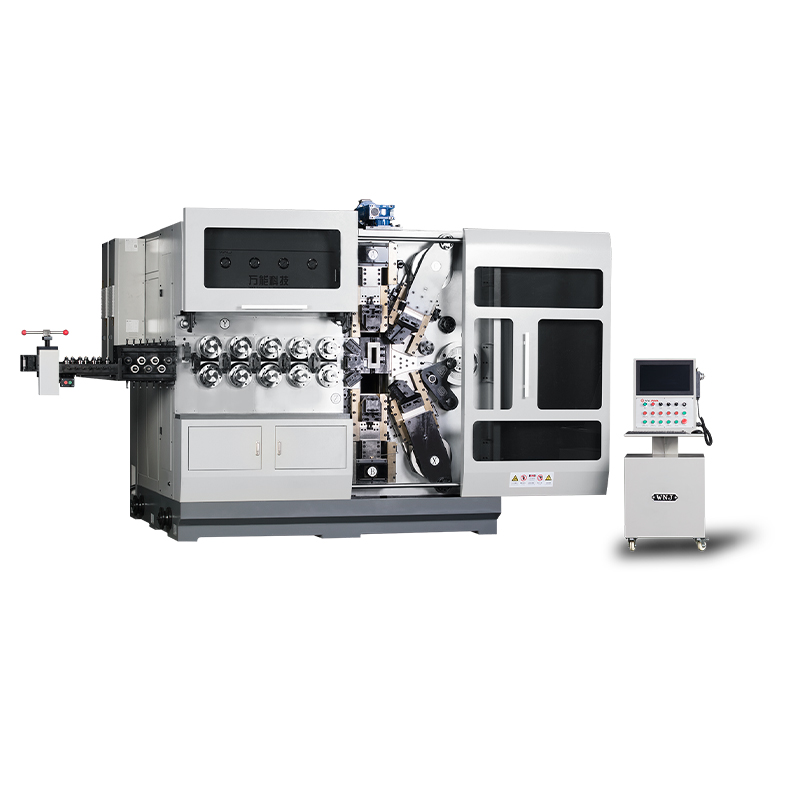
TK12120 TK-12120 12EKSEN CNC YAY SARMA MAKİNESİ ...
Detayları gör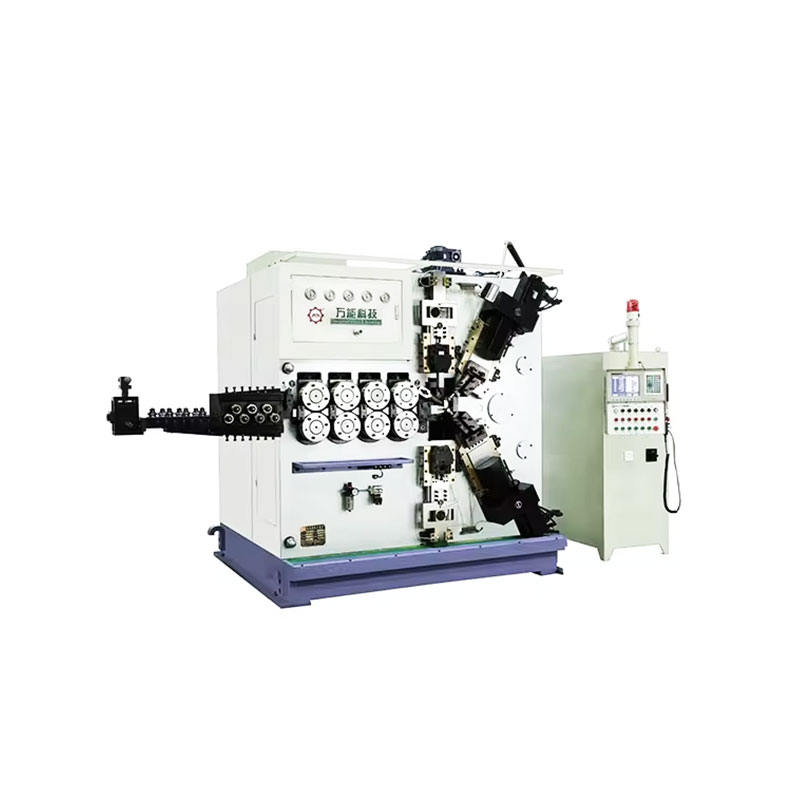
TK-6160 TK-6160 CNC YAY HADDELEME MAKİNESİ ...
Detayları gör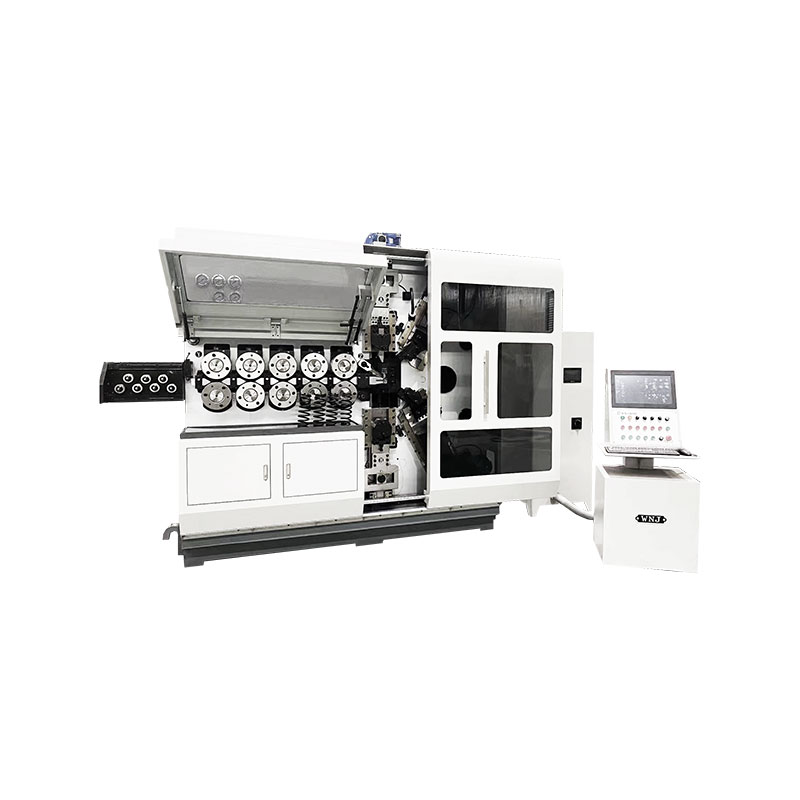
TK-6120 TK-6120 CNC YAY HADDELEME MAKİNASI ...
Detayları gör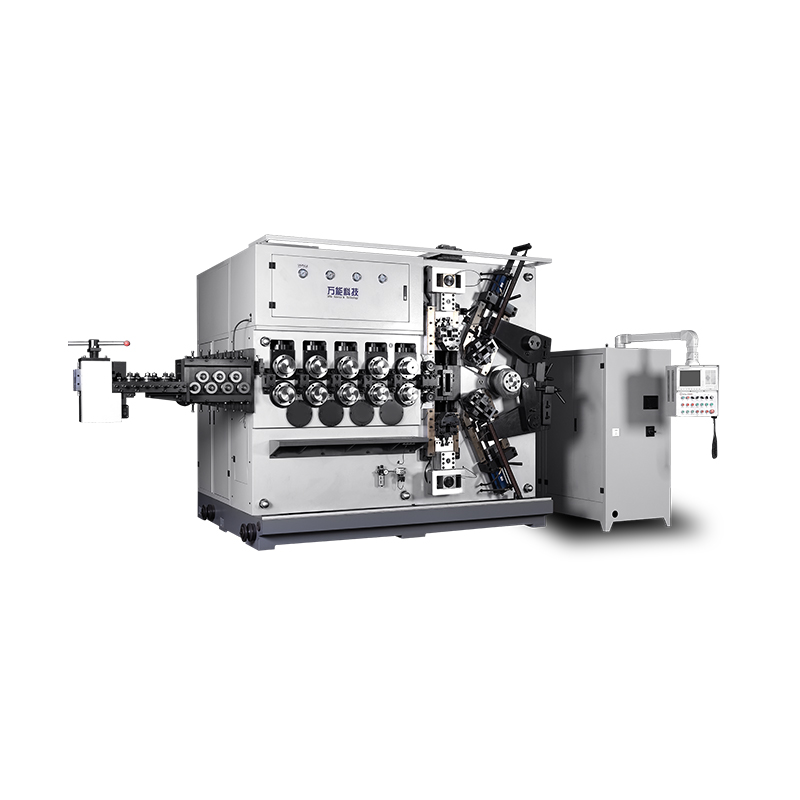
TK-5200 TK-5200 5EKSEN CNC YAY SARMA MAKİNASI ...
Detayları gör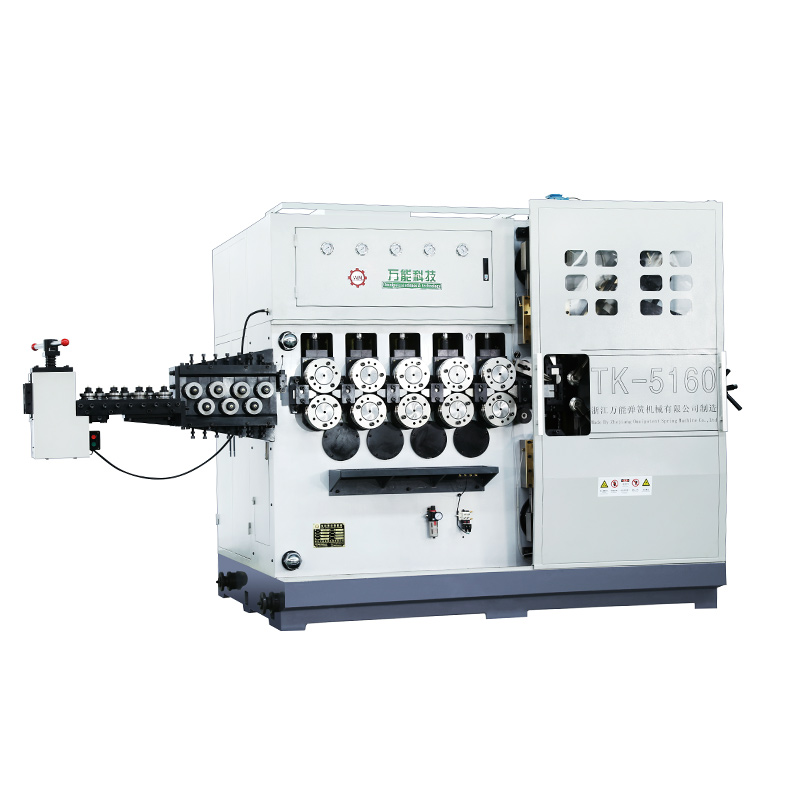
TK-5160 TK-5160 5EKSEN CNC YAY SARMA MAKİNESİ ...
Detayları gör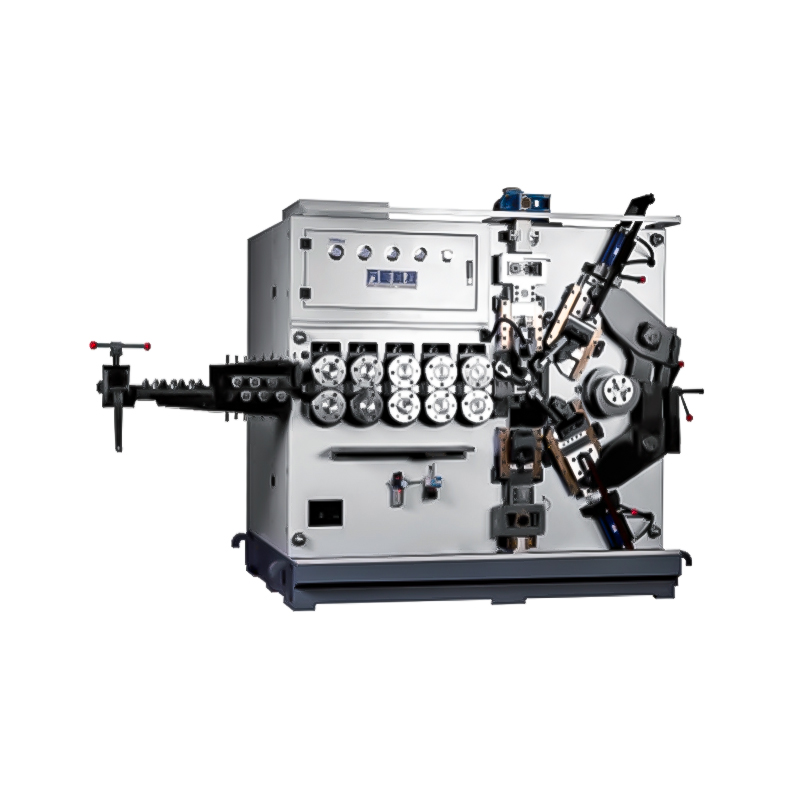
TK-5120 TK-5120 5EKSEN CNC YAY SARMA MAKİNASI ...
Detayları görMobil QR Kod